A personal invitation for SIBF visitors

A short message from Arthur Langerman, ahead of your April visit.

What colors catch your eye?

cover newsletter

Arthur's collection spans thousands of natural color diamonds in over 300 colors — most kept in the vault, brought out only for specific visitors. Tell us a little about what draws you, and we'll curate a personalized selection for your time in Antwerp.

If a bespoke jewelry piece interests you, there's still time to have something crafted and ready before you leave Belgium. Even if your schedule is full, we can work with you remotely and help you find exactly what you're looking for.

A few quick questions so we know what to add to your personalized diamond selection.


Or reach out directly — Whatsapp or contact@langerman-diamonds.com

Diamonds Most People Have Never Seen

Langerman-057

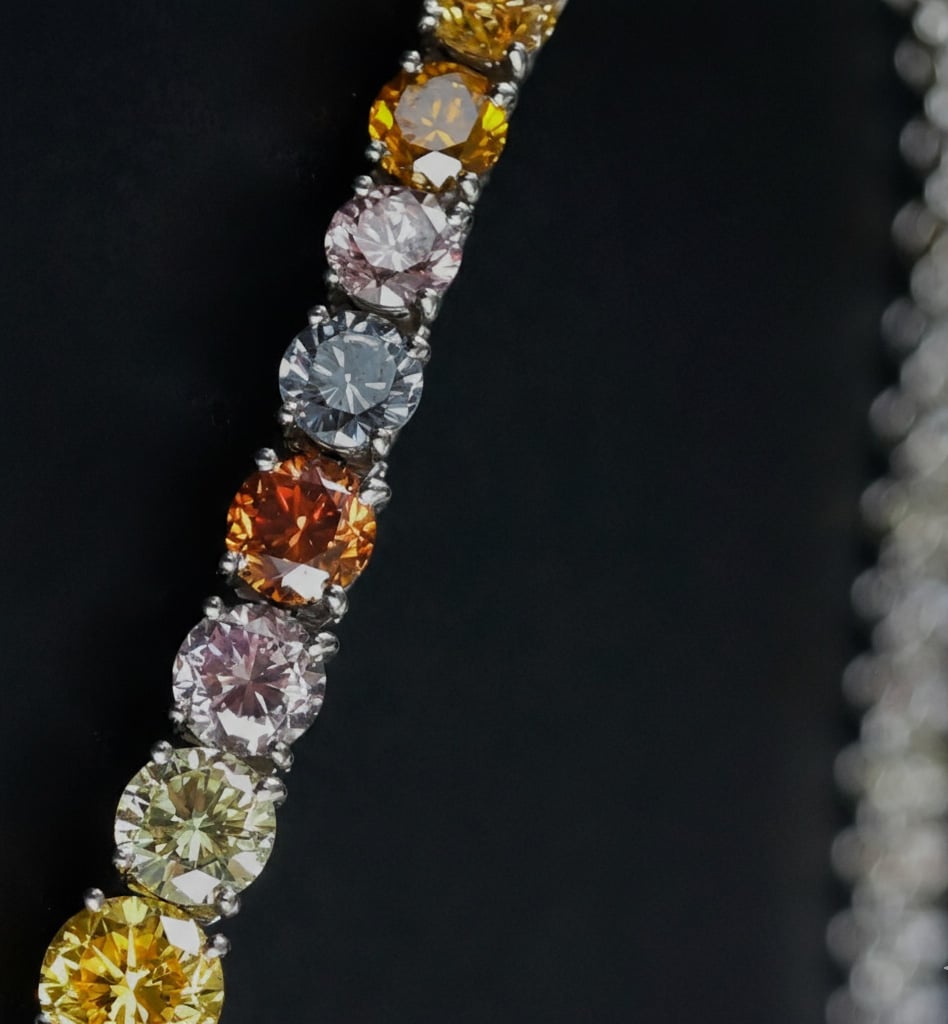
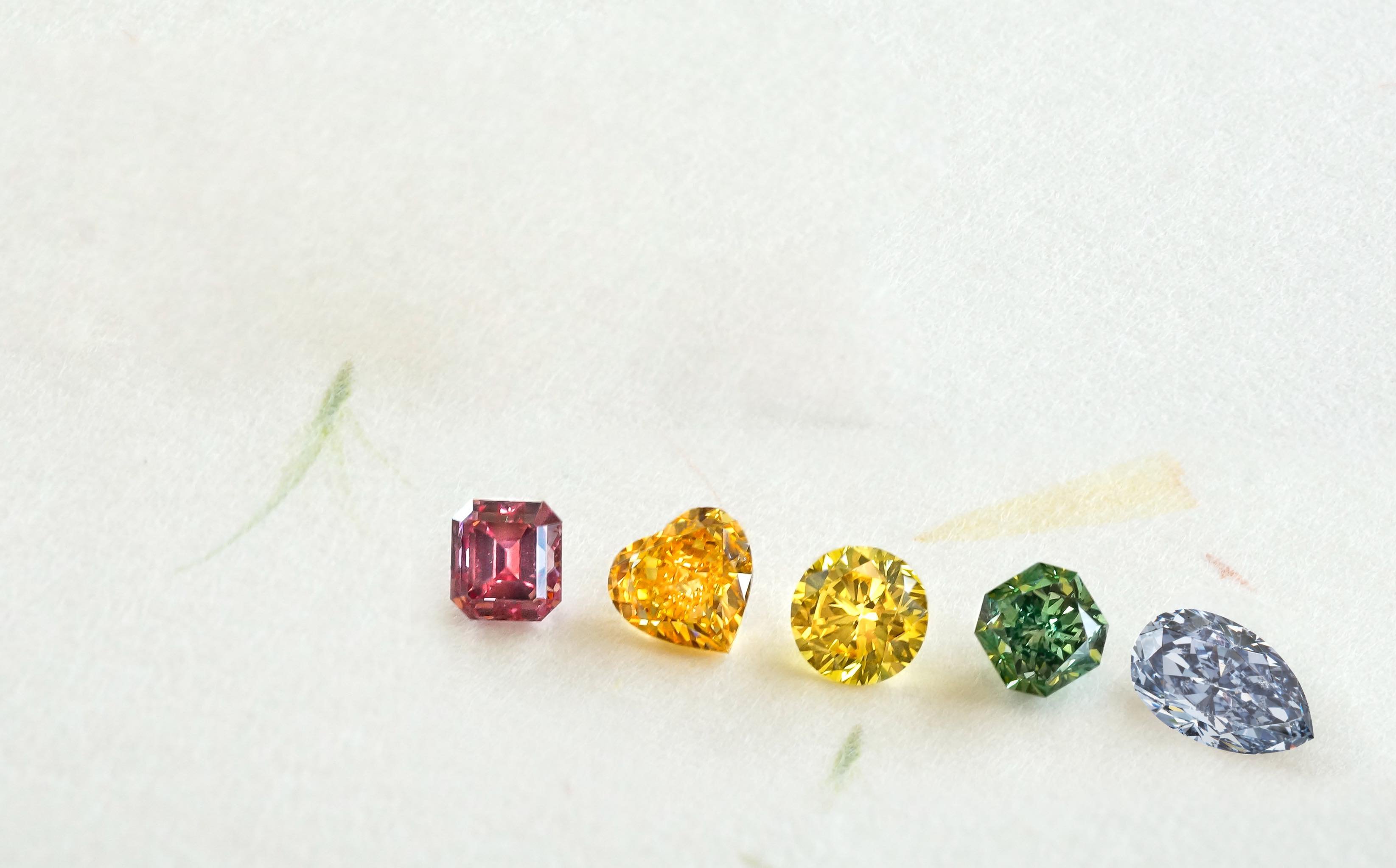
Most people think of diamonds as white. But deep in the earth, extraordinary conditions — trace elements, immense pressure, natural radiation over millions of years — create diamonds in colors that seem impossible. Vivid yellows. Deep pinks. Ocean blues. Intense greens.

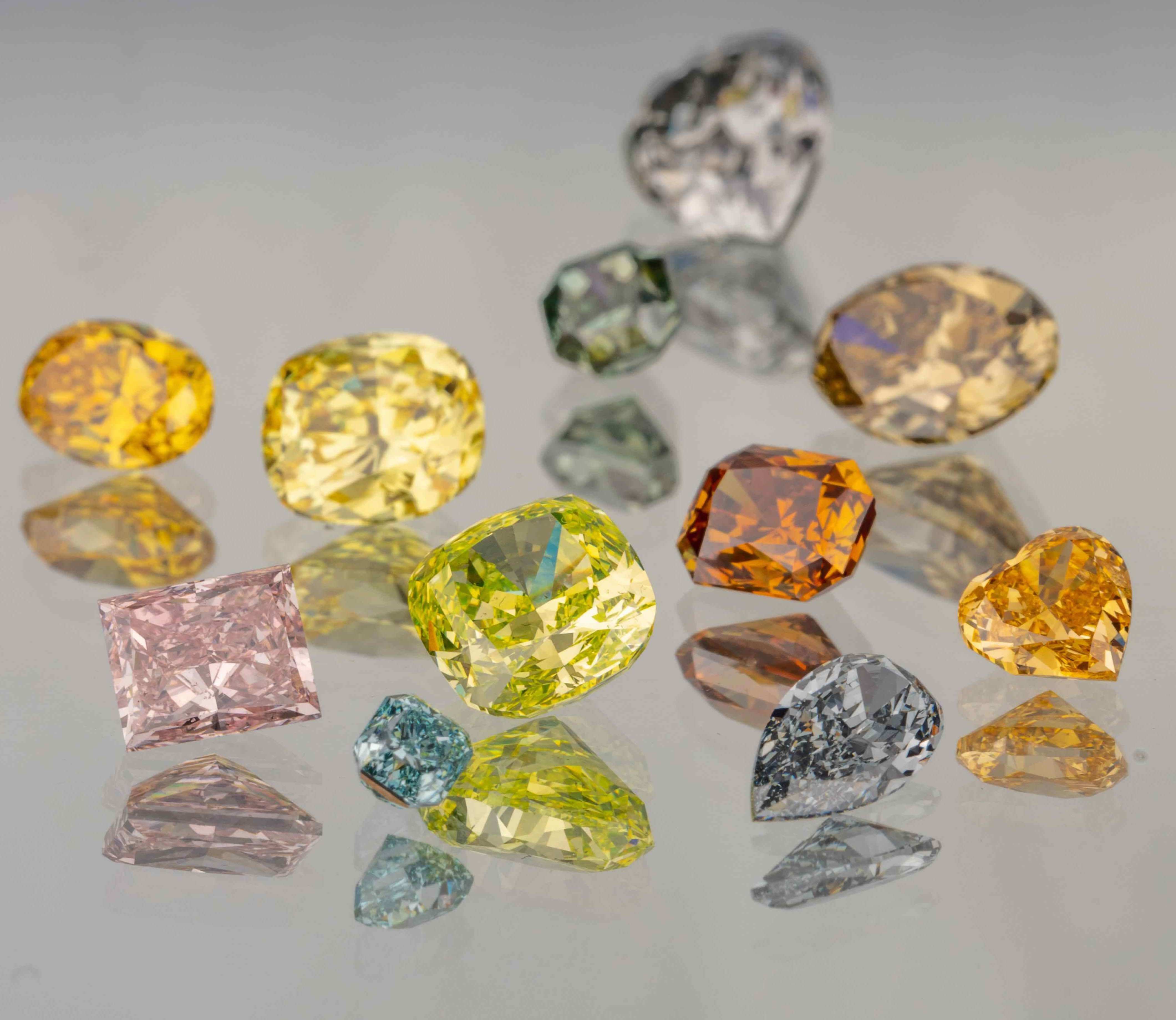
They are among the rarest objects on earth. Of every 10,000 gem diamonds mined, one might carry natural color. Arthur Langerman has spent sixty years finding the most exceptional of these — and his collection spans over 300 distinct hues. No two stones alike.

A Family in Diamonds

Screenshot 2026-02-04 at 12.55.13

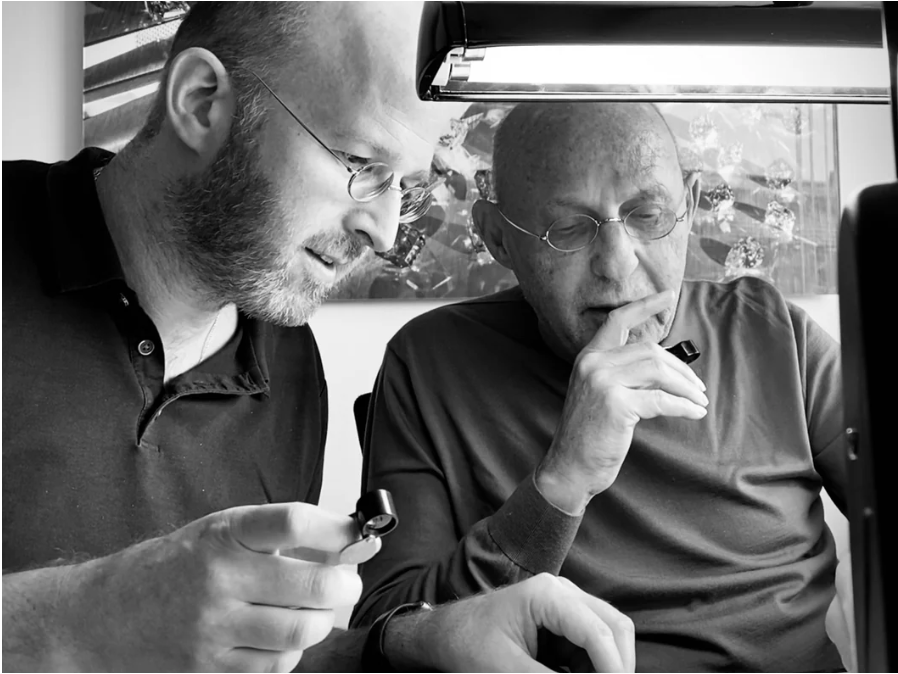
Arthur Langerman began working with natural color diamonds in the 1960s, when the trade dismissed them as curiosities. He saw what others missed: that color in a diamond is not a flaw but an expression of the earth's rarest conditions. He didn't just collect them — he cut and polished most of the stones in his collection himself.

Sixty years later, Langerman Diamonds remains one of the few houses in the world working exclusively with natural color. Arthur and his son Stefan — a mathematician who brings a scientist's precision to a craftsman's trade — know their inventory stone by stone.

Their approach is simple: find extraordinary rough, bring out its color through cutting and polishing, and match the finished stone to someone who will appreciate what makes it rare.

How Nature Creates Color

_DSC2024

Trapped Light

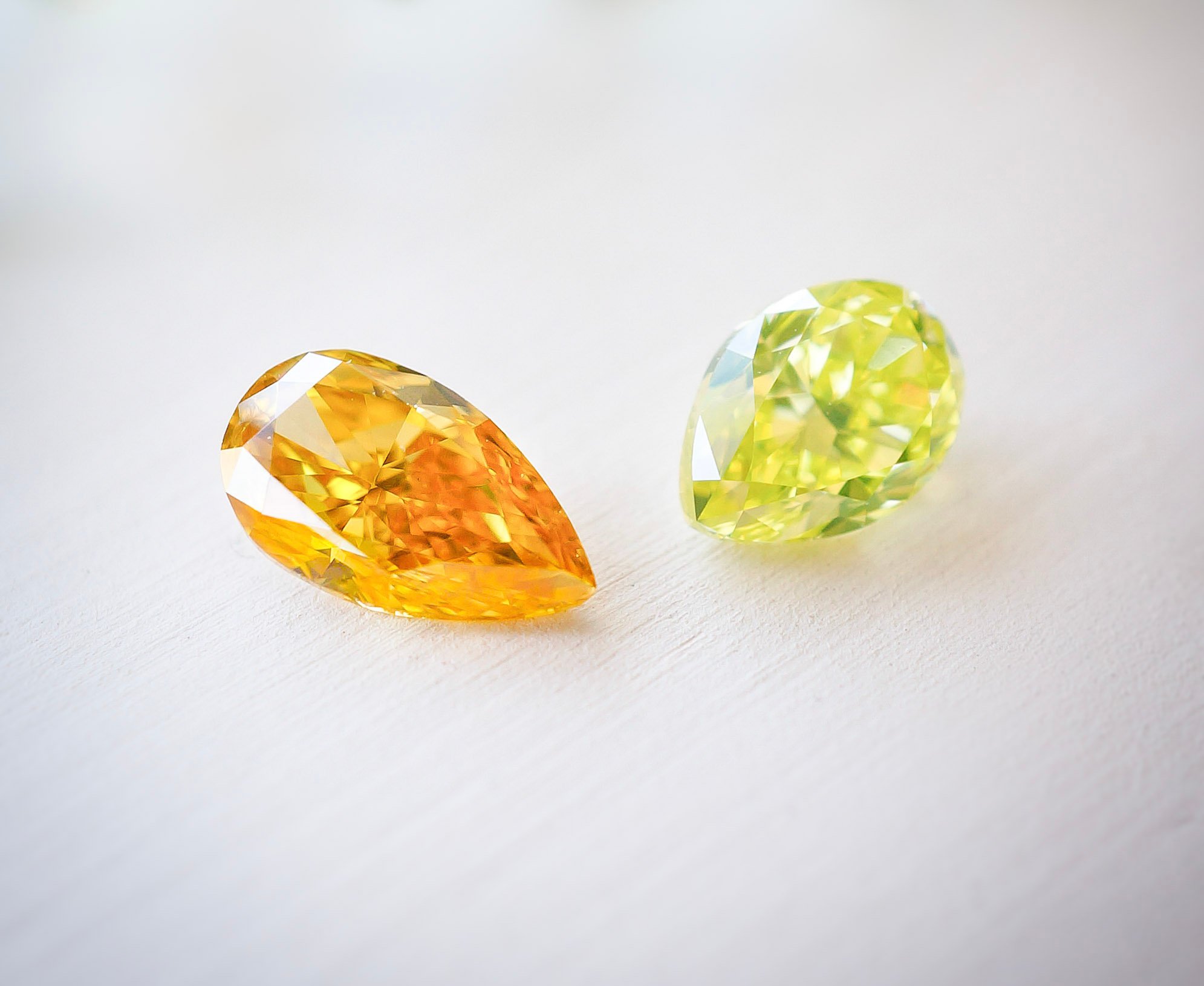
Nitrogen atoms, captured in the crystal lattice billions of years ago, absorb blue light and release warm color. The more nitrogen, the deeper the hue — from light lime to vivid canary to intense orange. These are among the most common color diamonds, yet a truly saturated stone remains rare.
 

_DSC5362-v2

Pressure, Not Pigment

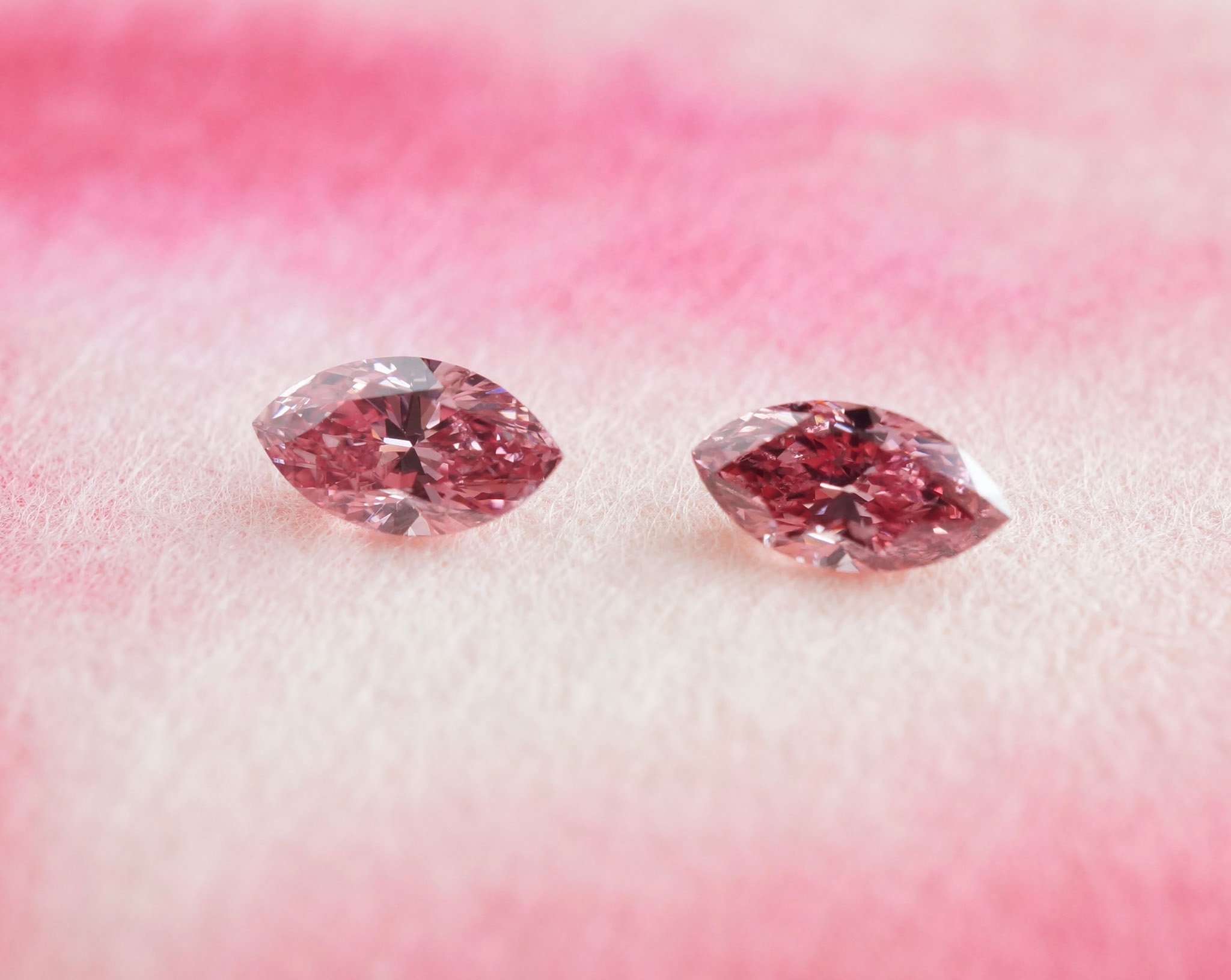
Pink diamonds contain no coloring element at all. Their color comes from a deformation in the crystal structure — billions of years of pressure twisting the lattice until it bends light differently. Nearly all pinks came from a single mine in Australia, the Argyle mine, which closed in 2020. The demand has increased while the supply is finite.
DSC4562-v2

Boron and Radiation

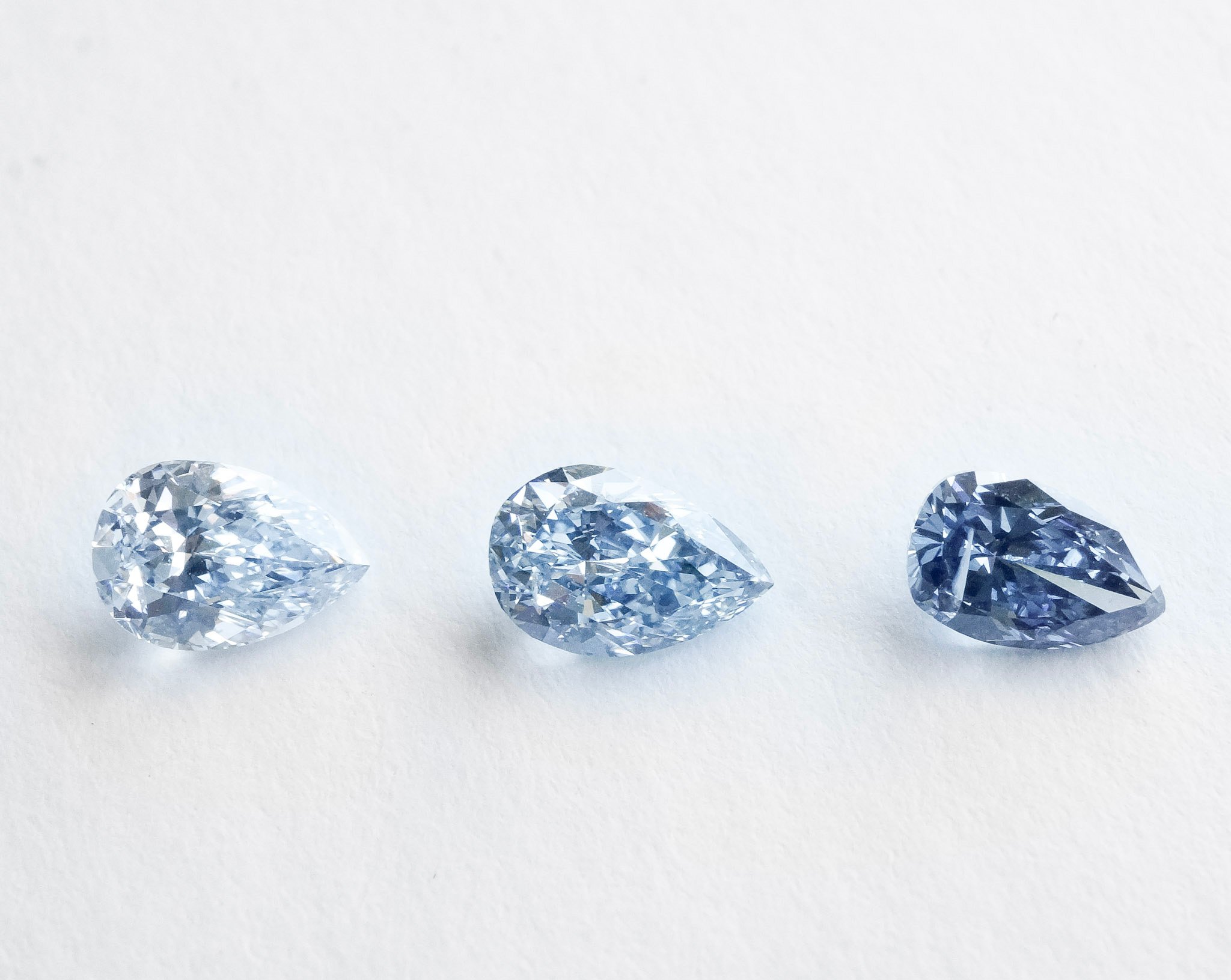
Blue diamonds owe their color to trace boron atoms — one of the rarest elements in diamond-forming conditions. Green diamonds earn their color by natural radiation exposure over millions of years, affecting only the outer shell of the stone. Both are among the rarest diamonds on Earth.

What We Prepare for You

Whether you're joining us at our offices or prefer to explore from a distance, here's what we offer:

A curated selection

Based on your preferences, we'll pull specific stones from the safes — to view in person if you visit, or photographed and sent to you if you would prefer to start remotely.

Expert guidance

We will walk you through what you're seeing: what makes a stone rare, how to read color, what to look for. No pressure, just expertise.

Bespoke jewelry

If a stone speaks to you, we can design a piece around it — a ring, pendant, or setting crafted to your specifications and have it ready for collection.

Tax-free acquisition

As a non-EU visitor, you're entitled to a full VAT exemption on jewelry — a 21% saving.

A private moment with Arthur

For those who commission a piece in advance, Arthur presents it personally during your visit — a one-on-one moment with the man who selected, and likely polished, your stone.

Curious about what Arthur might select for you?


Or reach out directly — Whatsapp or contact@langerman-diamonds.com

It will only take two minutes. No commitment — just helps us prepare.

Frequently Asked Questions

Do I need to visit your offices to work with you?

Not at all, many of our clients work with us remotely. Share your preferences through the form or reach out to us directly, and we'll send you curated options by email. If you'd like something crafted, we can handle everything remotely and have it ready for you to collect while you're in Antwerp — or ship it to you once its ready.


What colors do natural color diamonds come in?

Natural color diamonds span the full spectrum — yellows, oranges, pinks, reds, blues, greens, purples, grays, browns, and blacks. Each color has a different geological origin: nitrogen produces yellows, boron creates blues, crystal deformation makes pinks.

Within each color family, there are dozens of variations. Langerman works with over 300 distinct hues — from light champagne to vivid canary, from baby pink to deep raspberry. No two stones are alike.

Can I select a diamond before my visit?

Yes, and we recommend it. Arthur's collection is vast — our stones are kept in our vaults and brought out for specific clients. If we know your preferences beforehand, we can curate a personalized selection for your visit rather than showing you a generic sample.

Start by sharing your preferences through our short form, and we will follow up with options tailored to you.


Can a piece of jewelry be ready for my visit?

Yes. Bespoke pieces take approximately 3-4 weeks from design approval to completion. To have something ready for April 17, we'd need to finalize the design by mid-March.

The process starts with selecting your stone, then choosing or designing a setting. We will guide you through every step — by video call or email, whichever you prefer.


Are natural color diamonds a good long-term investment?

High-quality natural color diamonds have shown strong appreciation over the past several decades. Pink, blue, and green diamonds in particular have seen significant price growth, driven by increasing scarcity and global demand.

They occupy a unique position: rare, portable, beautiful, and tangible. While no asset is without risk, natural color diamonds are among the most compact stores of value in the world.


What happens if I visit Langerman?

You'll visit our offices in Antwerp's diamond district — the heart of the global diamond trade. Arthur and Stefan will be there, along with our team. 

Depending on your interests, you might view curated stones, see some of Arthur's most remarkable collector's pieces, or receive a bespoke piece that's been prepared for you. The afternoon is unhurried and personal experience.


How do I get in touch?

The easiest way is to fill out our short preference form — it takes about two minutes, and we will follow up personally.

You can also email us directly at contact@langerman-diamonds.com, by WhatsApp, or schedule a video call if you prefer to talk it through.


bracelet